

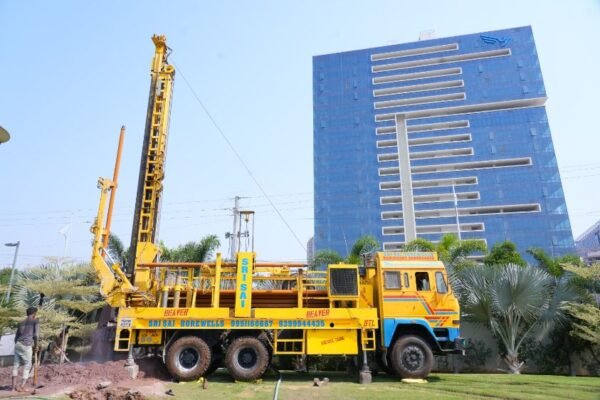
Planning to drill a borewell? One of the most overlooked—yet critical—factors is timing. Believe it or not, the season in which you drill a borewell can directly affect the water yield, drilling depth, success rate, and long-term performance of your water source.
In this blog, we break down the pros and cons of summer, monsoon, and winter drilling to help you make the right decision for your property.
Borewell Drilling in Summer – Most Recommended
Summer (March to June) is widely considered the best season for borewell drilling. Here’s why:
Lower Water Table = Accurate Drilling Depth
During summer, groundwater levels are at their lowest. This means that when you drill during this season, you are more likely to reach the deepest and most reliable water source. It also ensures that your borewell won’t run dry when the water table drops in future summers.
Ideal for Groundwater Survey
Groundwater detection using electrical resistivity meters or diviners works best in dry soil conditions, giving more accurate results.
Easy Access & Faster Drilling
Dry weather allows easy movement of heavy drilling rigs and support vehicles. There’s less risk of delays or equipment damage, making the drilling process smoother and quicker.
Tip:
Since summer is peak season for borewell drilling, book early to avoid waiting periods or higher seasonal rates.
Borewell Drilling in Monsoon – Not Recommended
Drilling during the monsoon season (June to September) comes with multiple challenges.
High Water Table Can Mislead
During the rainy season, water is easily available near the surface. This might make it seem like you’ve struck a good water source, but it could dry up quickly once monsoon ends.
Wet Soil Causes Equipment Issues
Loose, water-logged soil can cause rig slippage, borehole collapse, and drilling inefficiencies. Not only is the process slower, but also riskier.
Transport and Logistics Delays
Heavy rains and muddy terrains can delay transportation of rigs and supplies to your site.
Exception:
In urgent cases, shallow borewells for short-term use can be drilled in monsoon—but only with proper soil assessment and caution.
Borewell Drilling in Winter – A Balanced Choice
Winter (November to February) is the second-best time to drill a borewell—especially if you missed the summer window.
Moderate Groundwater Levels
Winter still offers a relatively stable water table, especially in early winter. It gives a good balance between drilling feasibility and seasonal accessibility.
Cooler Working Conditions
Laborers and operators prefer winter for outdoor work due to milder temperatures, which can result in more focused and efficient drilling.
Caveat:
In colder or high-humidity areas, morning fog or dew can slow down early-hour drilling, so scheduling needs to be managed smartly.
Final Verdict: Best Season for Borewell Drilling
|
Season |
Drilling Suitability |
Why/Why Not |
|
Summer |
⭐⭐⭐⭐⭐ Best |
Accurate depth, low water table, efficient |
|
Winter |
⭐⭐⭐⭐ Good |
Stable groundwater, cooler weather |
|
Monsoon |
⭐ Not Advised |
Misleading water levels, equipment delays |
Expert Tip from Sri Sai Borewells
If you want long-term water security, drilling your borewell in late summer (May–June) with a groundwater survey is your best option. At Sri Sai Borewells, we offer scientific location detection, deep rotary drilling, casing, and submersible pump installation—all under one roof.
